When clinicians talk about treating gambling disorder, the conversation typically centers on therapy, medication, and support groups. Exercise is rarely mentioned as a treatment modality — but the evidence for its role in addiction recovery is substantial and growing.
Physical activity is not a replacement for professional treatment. But for many people in gambling recovery, it is one of the most accessible, affordable, and effective tools available.
The Neurological Case for Exercise in Recovery
Exercise affects the brain in ways that are directly relevant to gambling recovery:
Dopamine restoration: Chronic gambling depletes dopamine receptor sensitivity — the brain becomes less responsive to natural rewards. Aerobic exercise increases dopamine synthesis and receptor density, helping to restore the brain's natural reward sensitivity over time.
Prefrontal cortex strengthening: Regular aerobic exercise increases gray matter volume in the prefrontal cortex — the region responsible for impulse control, decision-making, and emotional regulation that gambling disorder erodes.
Stress hormone regulation: Exercise reduces baseline cortisol and adrenaline levels, reducing the chronic stress state that makes gambling urges harder to resist.
BDNF production: Brain-derived neurotrophic factor (BDNF) — sometimes called "fertilizer for the brain" — is produced during aerobic exercise. BDNF supports neuroplasticity, the brain's ability to form new connections and patterns — essential for recovery.
What the Research Shows
Studies specifically examining exercise in gambling recovery are limited but promising:
- A 2019 study found that 12 weeks of aerobic exercise significantly reduced gambling urges and gambling frequency in problem gamblers
- Exercise has been shown to reduce craving intensity across multiple addiction types, with effects lasting 30–60 minutes post-exercise
- People who exercise regularly during addiction recovery show lower relapse rates across multiple substance and behavioral addictions
Practical Recommendations
| Type | Frequency | Duration | Notes |
|---|---|---|---|
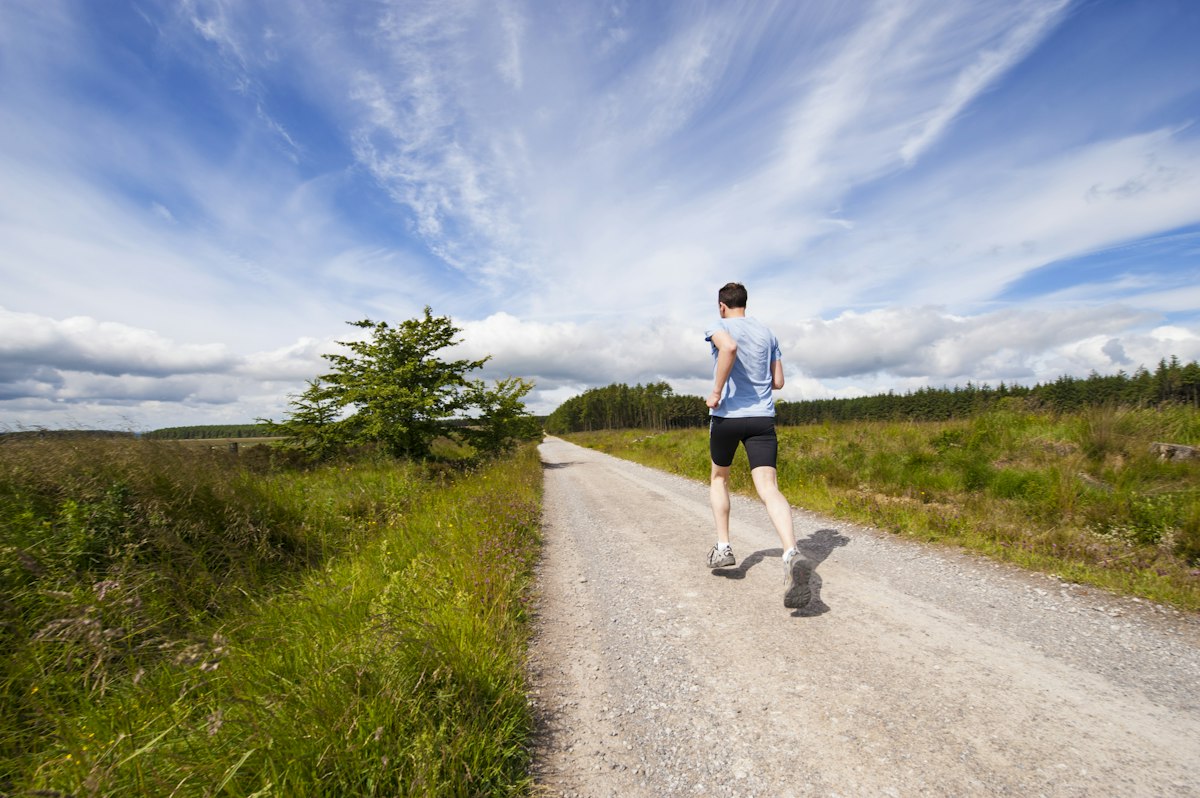
| Aerobic (walking, running, cycling) | 4–5x/week | 30–45 min | Best evidence for dopamine and mood |
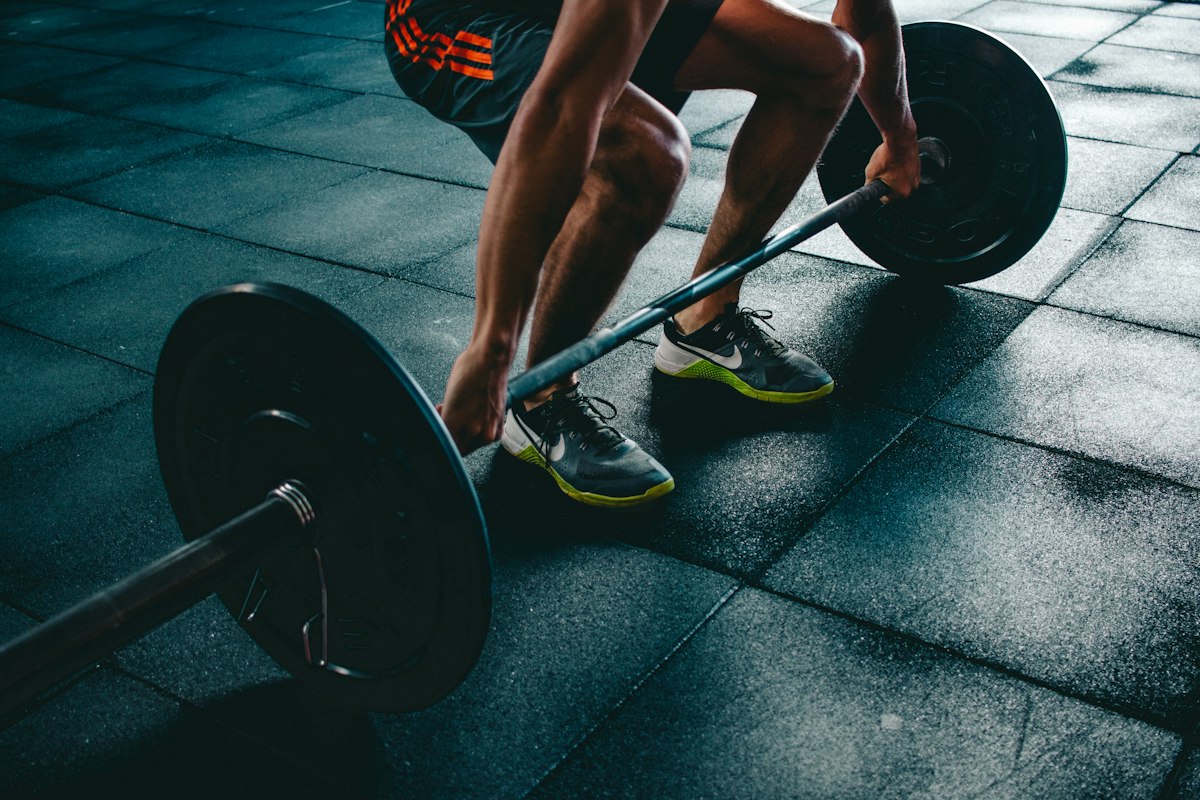
| Strength training | 2–3x/week | 30–45 min | Builds discipline, routine, physical confidence |
| Yoga/mindfulness movement | 2–3x/week | 45–60 min | Particularly helpful for anxiety and sleep |
| Team sports | 1–2x/week | 60+ min | Adds social connection; competitive outlet |
Using Exercise to Manage Urges
One of the most practical applications of exercise in gambling recovery is as an immediate response to gambling urges. When an urge arises, a 20–30 minute walk or run can significantly reduce its intensity. This works through multiple mechanisms: it provides a behavioral substitute, changes the physiological state, and gives the urge time to pass naturally.
Many people in recovery describe exercise as the single most important non-therapeutic tool in their recovery toolkit. It is free, available immediately, and produces benefits that compound over time.