The Tournament Trap: How Online Poker Tournaments Fuel Compulsive Gambling
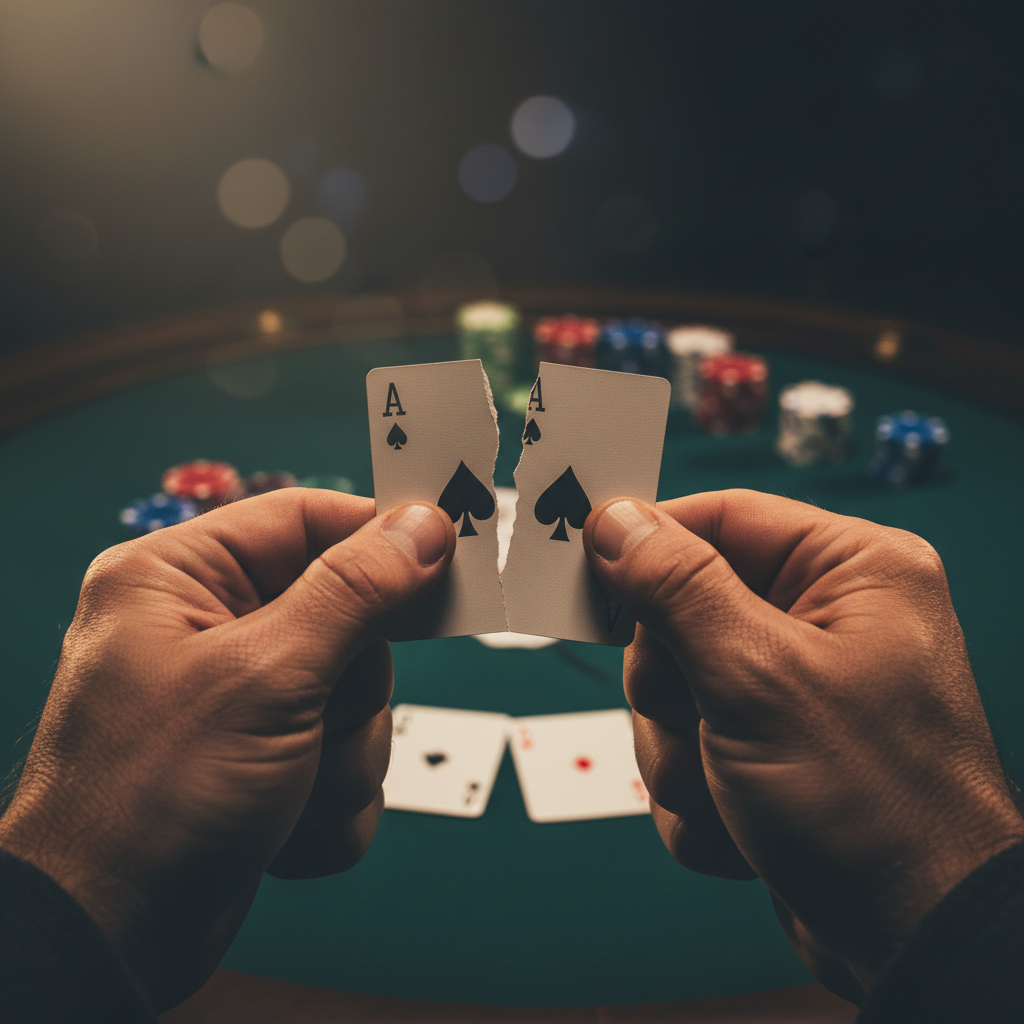
For many men, the allure of online poker tournaments is undeniable. The promise of turning a small buy-in into a life-changing sum, the strategic depth, the competitive thrill – it's a potent cocktail. But beneath the surface of this exciting pastime lies a dangerous trap, especially for those prone to compulsive gambling. Online poker tournaments, with their unique structure and psychological hooks, can be particularly insidious in fueling addiction.
At Redeemed, we understand the struggle. We know that what starts as a game can quickly spiral into a destructive force, impacting finances, relationships, and spiritual well-being. This article will explore why online poker tournaments are so addictive, the psychological mechanisms at play, and how you can break free from their grip.
The Unique Allure and Danger of Online Poker Tournaments
Online poker, particularly multi-table tournaments (MTTs), presents a distinct set of challenges compared to cash games or other forms of gambling. The structure itself is designed to maximize engagement and, inadvertently, addiction potential.
The 'One Big Score' Fantasy
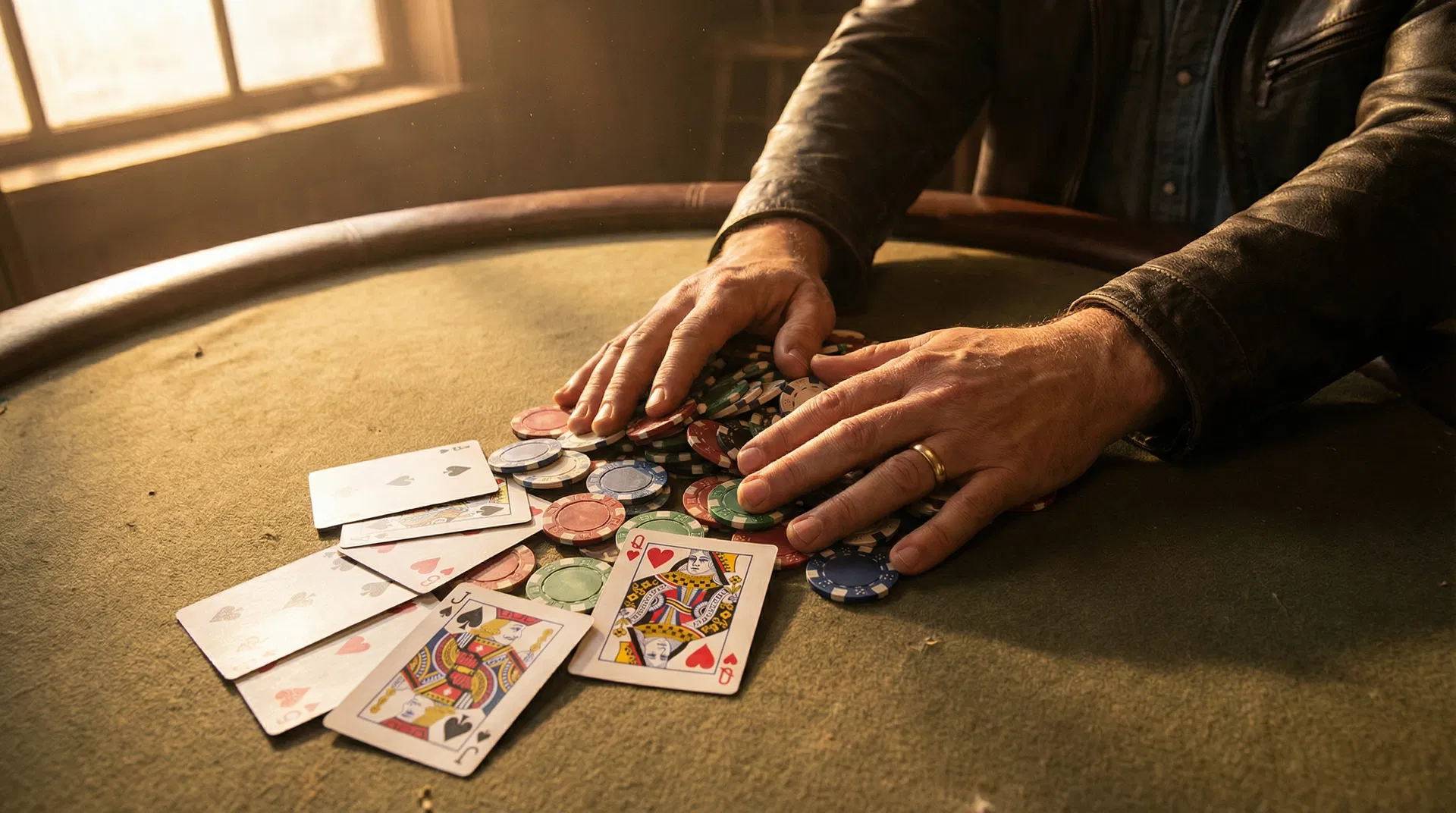
This is perhaps the most powerful draw. The idea that a single tournament win can erase all past losses, solve financial problems, and provide immense wealth is a pervasive fantasy. You hear stories of amateur players winning hundreds of thousands, even millions, from a modest buy-in. This narrative fuels an unrealistic expectation, making players chase that elusive big win, often ignoring the astronomical odds against it.
"But godliness with contentment is great gain, for we brought nothing into the world, and we can take nothing out of it. But if we have food and clothing, with these we will be content. But those who desire to be rich fall into temptation, into a snare, into many senseless and harmful desires that plunge people into ruin and destruction." – 1 Timothy 6:6-9 (ESV)
This scripture reminds us that true wealth isn't found in fleeting material gains, but in contentment and a right relationship with God. The relentless pursuit of riches through gambling often leads to ruin, just as the Bible warns.
Sunk-Cost Psychology: The Deeper You Go, The Harder to Quit
Online tournaments often involve hours of play. You invest not just money (the buy-in) but also significant time and mental energy. As you progress through the stages, the psychological investment grows. This triggers the sunk-cost fallacy: the tendency to continue an endeavor once an investment has been made, even if it's clear it's not paying off.
- Early Stages: You've paid your buy-in. You're trying to build a stack. If you bust out, it feels like a waste of the initial investment.
- Middle Stages: You've survived for hours. You've outlasted hundreds, maybe thousands, of players. The prize money is getting closer. Quitting now feels like throwing away all that effort.
- Near the Money/Final Table: This is where the sunk cost fallacy hits hardest. You're so close to a significant payout. The thought of busting out just before the money, or missing the final table, can lead to reckless play or, conversely, overly tight play driven by fear, both of which can be detrimental.
The Near-Miss Phenomenon
This is a well-documented psychological trigger in gambling. In poker tournaments, a near-miss isn't just busting out on the bubble (just before the money). It's also making a deep run but falling short of the final table, or making the final table but busting out early. These experiences are often interpreted as a sign that you were "so close" to a big win, reinforcing the belief that success is just around the corner, rather than acknowledging the inherent variance and skill gap.
Research has shown that near-misses can activate the same brain regions as actual wins, creating a powerful, deceptive reward signal that encourages continued play.
The Illusion of Control and Skill
While poker undeniably involves skill, the short-term variance in tournaments can be immense. A skilled player can play perfectly and still bust out early due to bad luck, while a less skilled player can go deep on a lucky streak. However, compulsive gamblers often attribute wins to their skill and losses to bad luck, reinforcing an illusion of control that keeps them coming back.
Online poker platforms often provide statistics that can feed this illusion, focusing on win rates or final table appearances, rather than the overall profitability, which can be skewed by a few big wins masking consistent losses.
The Cycle of Addiction in Online Poker Tournaments
This combination of factors creates a powerful cycle:
- The Dream: Envisioning the big score, fueled by stories and near-misses.
- The Investment: Committing time and money to a tournament.
- The Grind: Hours of play, battling through fields, feeling the psychological pull of sunk costs.
- The Outcome:
- Win (rare): Reinforces the 'one big score' fantasy and the illusion of skill. Leads to playing more.
- Near-Miss: Fuels the belief that a win is just around the corner. Leads to playing more.
- Loss: Often attributed to bad luck, leading to a desire to "get even" or prove skill. Leads to playing more.
This cycle can quickly escalate, leading to increased buy-ins, longer sessions, and a growing preoccupation with poker, often at the expense of real-life responsibilities.
The Real-World Impact
The consequences of compulsive online poker tournament play are severe and far-reaching:
- Financial Ruin: Chasing the big score often leads to significant debt, depleted savings, and financial instability.
- Relationship Breakdown: Secrecy, lies, and neglect strain relationships with spouses, family, and friends.
- Mental Health Issues: Anxiety, depression, guilt, and shame are common companions of gambling addiction.
- Spiritual Drift: The obsession with gambling can pull a man away from his faith, his values, and his purpose.
Data on Gambling Addiction
Understanding the scope of the problem can highlight its seriousness. While specific data on online poker tournament addiction is scarce, general gambling addiction statistics paint a clear picture:
| Statistic | Data Point | Source |
|---|---|---|
| Prevalence of Problem Gambling | Approximately 1% of the adult population (severe problem gambling) | National Council on Problem Gambling (NCPG) |
| Lifetime Prevalence of Gambling Disorder | Around 2.2% of the adult population | National Institute of Mental Health (NIMH) |
| Adolescent/Young Adult Risk | 2-3 times higher risk of problem gambling compared to adults | NCPG |
| Co-occurring Disorders | High rates of co-occurrence with substance abuse, depression, anxiety | Various clinical studies |
| Debt from Gambling | Average debt for problem gamblers can range from $55,000 to $90,000 | NCPG |
These numbers underscore that gambling addiction is a serious public health issue, affecting millions and causing profound harm. Online platforms, with their 24/7 accessibility and sophisticated psychological design, only exacerbate these risks.
Breaking Free: A Path to Recovery
If you recognize yourself or a loved one in these descriptions, know that you are not alone, and recovery is possible. It requires courage, honesty, and a commitment to change.
1. Acknowledge the Problem
The first and most crucial step is admitting that online poker tournaments have become a problem, not just a hobby. This means letting go of the illusion of control and the 'one big score' fantasy.
2. Seek Support
Recovery is rarely a solo journey. Reach out to trusted friends, family, or a spiritual mentor. Consider professional help from therapists specializing in addiction. Groups like Gamblers Anonymous (GA) provide invaluable peer support.
3. Implement Practical Barriers
- Self-Exclusion: Most online poker sites offer self-exclusion programs that prevent you from logging in for a set period or permanently. Use them.
- Financial Blocks: Work with your bank to block transactions to gambling sites. Give control of your finances to a trusted loved one.
- Time Limits: If you're not ready for full abstinence, set strict, non-negotiable time and money limits, but be honest about whether you can stick to them.
- Accountability: Share your struggles and progress with an accountability partner.
4. Address Underlying Issues
Gambling often serves as an escape from stress, anxiety, boredom, or trauma. Identifying and addressing these underlying issues with professional help is vital for long-term recovery.
5. Reconnect with Your Faith
For men of faith, turning to God is a powerful source of strength and healing. Prayer, scripture study, and community within your church can provide comfort, guidance, and a renewed sense of purpose.
"No temptation has overtaken you that is not common to man. God is faithful, and he will not let you be tempted beyond your ability, but with the temptation he will also provide the way of escape, that you may be able to endure it." – 1 Corinthians 10:13 (ESV)
This verse offers immense hope. God provides a way out of every temptation, including the grip of gambling. Seek His guidance, and He will show you the path to freedom.
6. Find Healthy Alternatives
Replace the thrill and mental engagement of poker with constructive activities. This could be sports, hobbies, volunteering, spending time with family, or pursuing new skills. The Redeemed app can also provide structured support, daily devotionals, and a community focused on faith-based recovery, helping you fill the void left by gambling with purpose and spiritual growth.
Conclusion: Your Path to Freedom Starts Today
The tournament trap is real, but so is the path to freedom. Online poker tournaments, with their seductive blend of skill, chance, and psychological manipulation, can ensnare even the strongest men. But through honest self-assessment, seeking support, implementing practical safeguards, and leaning on your faith, you can break free from the cycle of compulsive gambling.
Your journey to recovery begins with a single step. Don't let the illusion of the 'one big score' steal your peace, your finances, or your future. Choose redemption. Choose recovery. Choose a life free from the grip of addiction.
If you or someone you know is struggling with gambling addiction, please reach out for help.
National Problem Gambling Helpline: 1-800-522-4700
Remember, the Redeemed app is here to support you with faith-based tools and community as you navigate your recovery journey. You don't have to face this alone.