The Illusion of Control: When 'Responsible' Poker Becomes a Trap
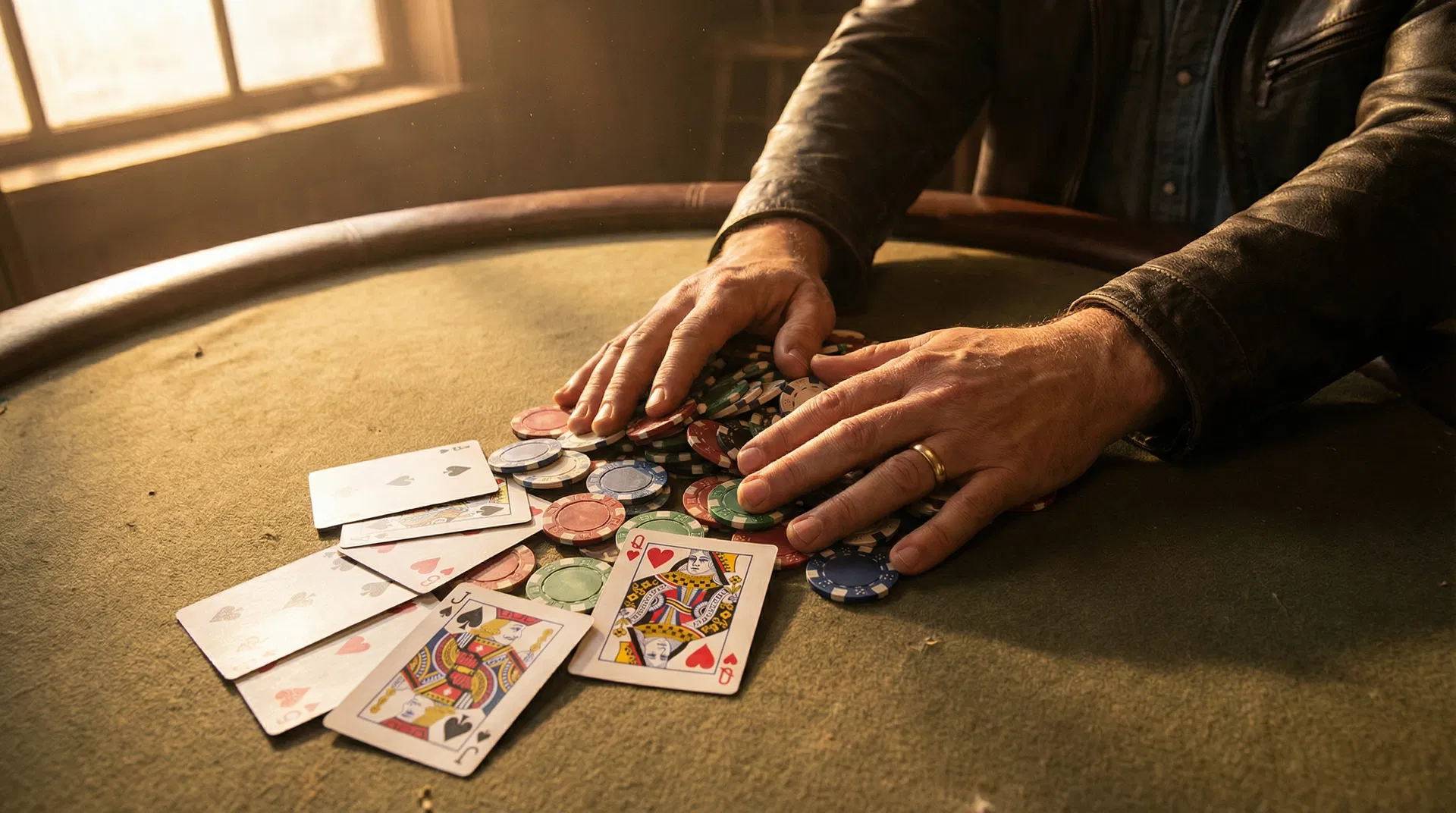
For many men, poker is more than just a game. It’s a mental sport, a test of skill, and a potential source of income. They study the odds, analyze their opponents, and meticulously manage their bankroll. They see themselves as disciplined professionals, not gamblers. But what if that very discipline is a smokescreen for a deeper, more insidious problem? What if the tools of “responsible” poker are actually fueling a hidden addiction?
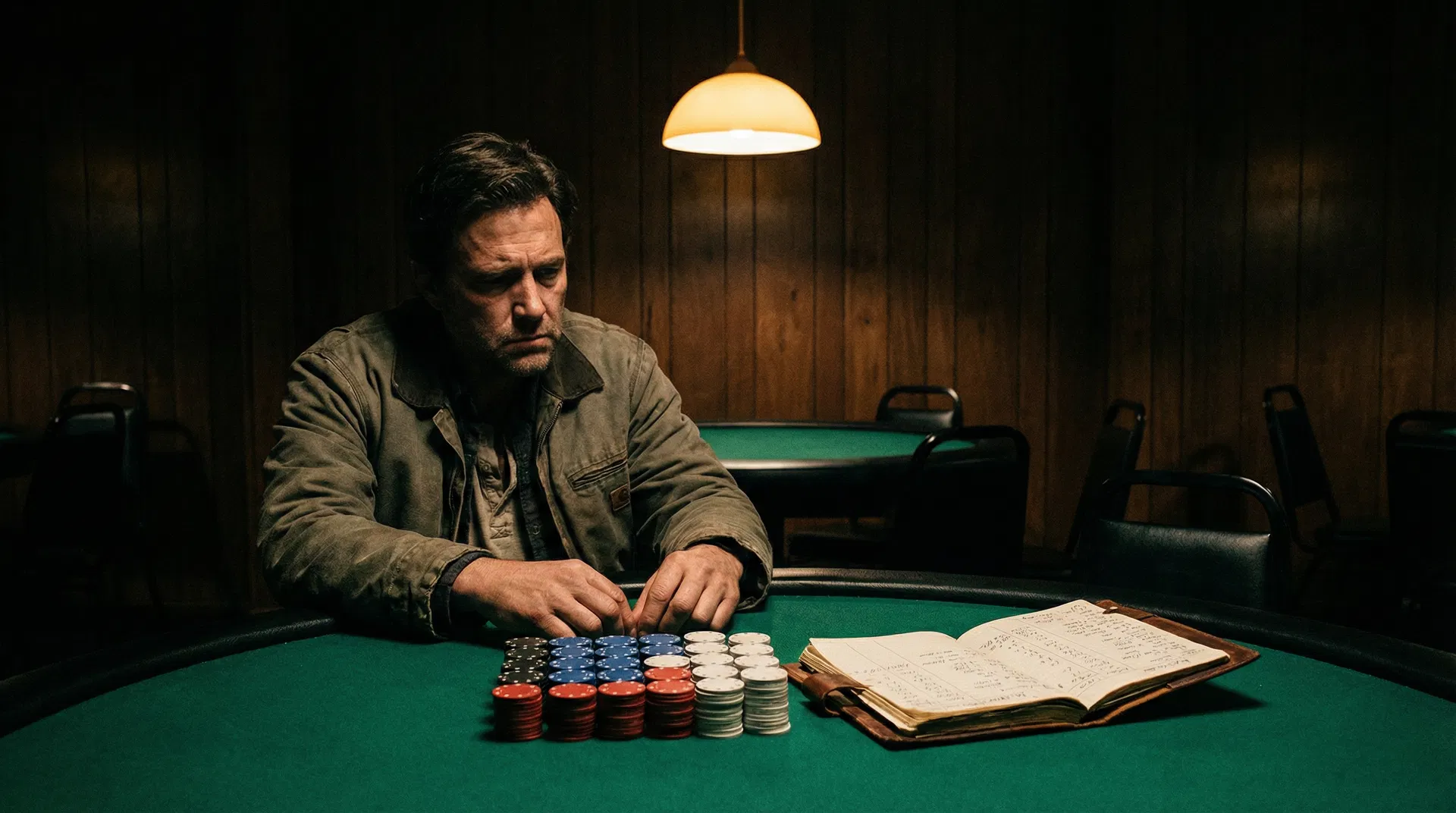
This article is for the man who believes he has his poker playing under control. The man who can quote you his win rate, his ROI, and his bankroll management strategy. The man who would never admit he has a problem, because, in his mind, he doesn’t. But if you’re reading this, a seed of doubt may have already been planted. You may be starting to question whether your disciplined approach to poker is truly serving you, or if it’s simply keeping you chained to the table.
The Seductive Lie of Bankroll Management
Poker bankroll management is the practice of setting aside a specific amount of money for poker and only playing at stakes that your bankroll can support. On the surface, it seems like a responsible and logical approach to the game. It’s a way to mitigate risk, absorb losses, and ensure that you can stay in the game for the long haul. But for some, bankroll management becomes the very thing that enables their addiction.
Here’s how the logic of bankroll management can become a dangerous trap:
- It professionalizes the activity. By treating poker like a business, with its own set of rules and strategies, it’s easy to forget that you’re still gambling. You’re not an investor or a day trader; you’re a gambler. And gambling, by its very nature, is a risk.
- It extends your exposure. A well-managed bankroll allows you to play for longer periods, even during a losing streak. This prolonged exposure to the highs and lows of gambling can be a breeding ground for addiction.
- It rationalizes losses. When you’re managing a bankroll, losses are no longer personal failures. They’re simply “business expenses,” a necessary part of the game. This detachment from the real-world consequences of losing money can be a dangerous form of denial.
- It encourages a “growth” mindset. Moving up in stakes is seen as a sign of success, a reward for your discipline and skill. But it’s also a way of taking on greater risk and chasing bigger highs.
The Sunk Cost of Time
It’s not just about the money. For many men, the biggest investment they make in poker is their time. Thousands of hours spent playing, studying, and thinking about the game. This creates a powerful sunk-cost fallacy, making it incredibly difficult to walk away. You’ve invested so much of your life in this game that quitting feels like a personal failure, a waste of all that time and effort.
| The Player's Mindset | The Addict's Mindset |
|---|---|
| "I'm a skilled player, not a gambler." | "My skill gives me an edge, so it's not really gambling." |
| "I'm just having a bad run of luck." | "I'm due for a win. I just need to keep playing." |
| "I can quit anytime I want." | "I've invested too much time and money to quit now." |
When Disciplined Play Masks Compulsive Behavior
The line between disciplined play and compulsive behavior can be incredibly thin. You may be telling yourself that you’re in control, but your actions may be telling a different story. Here are some questions to ask yourself to determine if your poker playing has crossed the line:
- Do you find yourself thinking about poker constantly, even when you’re not playing?
- Have you ever lied to your loved ones about how much time or money you spend on poker?
- Have you ever borrowed money to fund your poker playing?
- Have you ever neglected your work, family, or other responsibilities because of poker?
- Do you feel restless, irritable, or anxious when you’re not playing poker?
- Have you ever tried to quit or cut back on your poker playing but been unsuccessful?
If you answered yes to any of these questions, it may be time to take a serious look at your relationship with poker.
A Faith-Based Perspective on Stewardship
From a faith-based perspective, the issue of gambling is not just about money; it’s about stewardship. As men of faith, we are called to be good stewards of the resources that God has given us, including our time, our talents, and our treasure. Gambling, by its very nature, is a violation of this principle. It’s an attempt to get something for nothing, to gain wealth without providing any value to society.
“For the love of money is a root of all kinds of evil. Some people, eager for money, have wandered from the faith and pierced themselves with many griefs.” - 1 Timothy 6:10
The Bible warns us against the dangers of greed and the love of money. It teaches us that our true security is not in our wealth, but in our relationship with God. When we put our trust in the turn of a card rather than in the providence of God, we are setting ourselves up for a spiritual and financial fall.
| Gambling | Stewardship |
|---|---|
| Seeks to get without giving | Seeks to give without getting |
| Is based on chance and luck | Is based on faith and hard work |
| Is rooted in greed and self-interest | Is rooted in love and generosity |
If you are struggling with a poker addiction, please know that you are not alone. There is hope and there is help. The National Problem Gambling Helpline is available 24/7 at 1-800-522-4700.