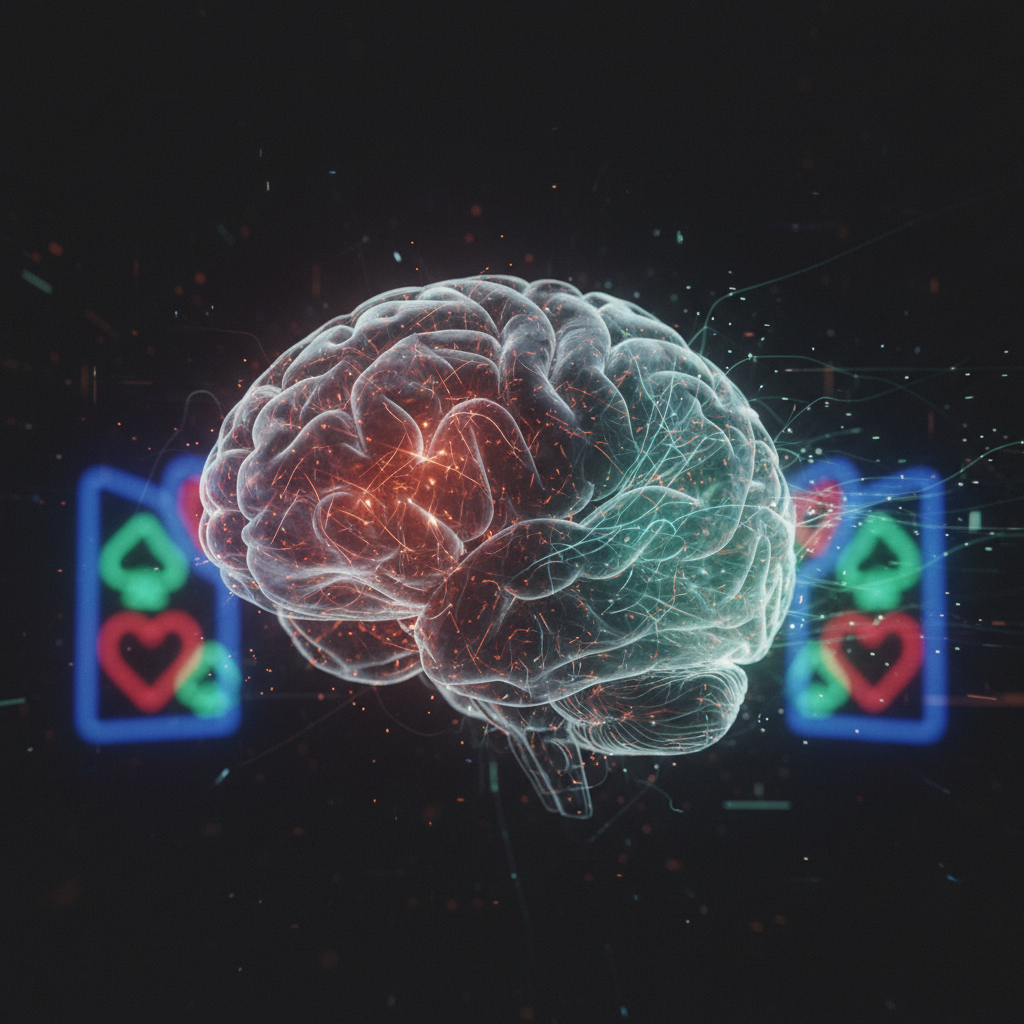
"When will I feel normal again?" It is one of the most common questions in gambling recovery — and one of the most important. The early weeks and months of recovery can feel bleak: flat, joyless, restless, and empty. Understanding the neuroscience of brain recovery can provide both a realistic timeline and genuine hope.
What Needs to Heal
Chronic gambling produces measurable changes in the brain that take time to reverse:
- Dopamine receptor downregulation: The brain reduces the number and sensitivity of dopamine receptors in response to chronic overstimulation. This is why gambling feels less exciting over time — and why ordinary life feels flat in early recovery.
- Prefrontal cortex changes: Reduced gray matter volume and activity in the prefrontal cortex impairs impulse control and decision-making.
- Stress system dysregulation: Elevated baseline cortisol and dysregulated stress response systems take time to normalize.
- Reward circuit sensitization: The brain becomes hyperresponsive to gambling cues while becoming hyporesponsive to natural rewards.
The Recovery Timeline
| Timeframe | What's Happening in the Brain | What You Might Experience |
|---|---|---|
| Days 1–30 | Acute neurochemical adjustment; stress hormones begin to normalize | Intense cravings, anxiety, insomnia, emotional volatility |
| Months 1–3 | Dopamine receptor upregulation begins; prefrontal activity slowly increases | Gradual reduction in craving intensity; some improvement in mood and sleep |
| Months 3–6 | Continued receptor recovery; stress system normalization | More consistent mood; natural rewards begin to feel more satisfying |
| Months 6–12 | Significant neuroplastic changes; new neural pathways strengthening | Meaningful improvement in wellbeing; cravings less frequent and intense |
| Years 1–2+ | Continued healing; some changes may be permanent but brain compensates | Most people report feeling genuinely better than during active gambling |
Neuroplasticity: The Brain's Capacity to Change
The most hopeful aspect of addiction neuroscience is neuroplasticity — the brain's lifelong capacity to form new neural connections and reorganize itself in response to experience. The brain changes that gambling produces are not permanent. With time, abstinence, and the right inputs, the brain heals.
Activities that accelerate neuroplastic healing in recovery include:
- Aerobic exercise: Increases BDNF (brain-derived neurotrophic factor), which supports new neural growth
- Learning new skills: Challenges the brain to form new connections
- Meditation: Increases gray matter in the prefrontal cortex
- Social connection: Activates reward pathways through healthy means
- Sleep: The brain consolidates recovery and clears metabolic waste during sleep
The Honest Answer
For most people, the answer to "when will I feel normal again?" is: meaningfully better within 3–6 months, significantly better within a year, and genuinely well — often better than before the gambling disorder — within 1–2 years of sustained recovery.
That timeline requires active recovery work: therapy, support, exercise, sleep, and social connection. Passive abstinence alone produces slower recovery. But the direction is clear, and the destination is real.