Gambling's Grip: The Neuroscience of Brain Changes in Addiction
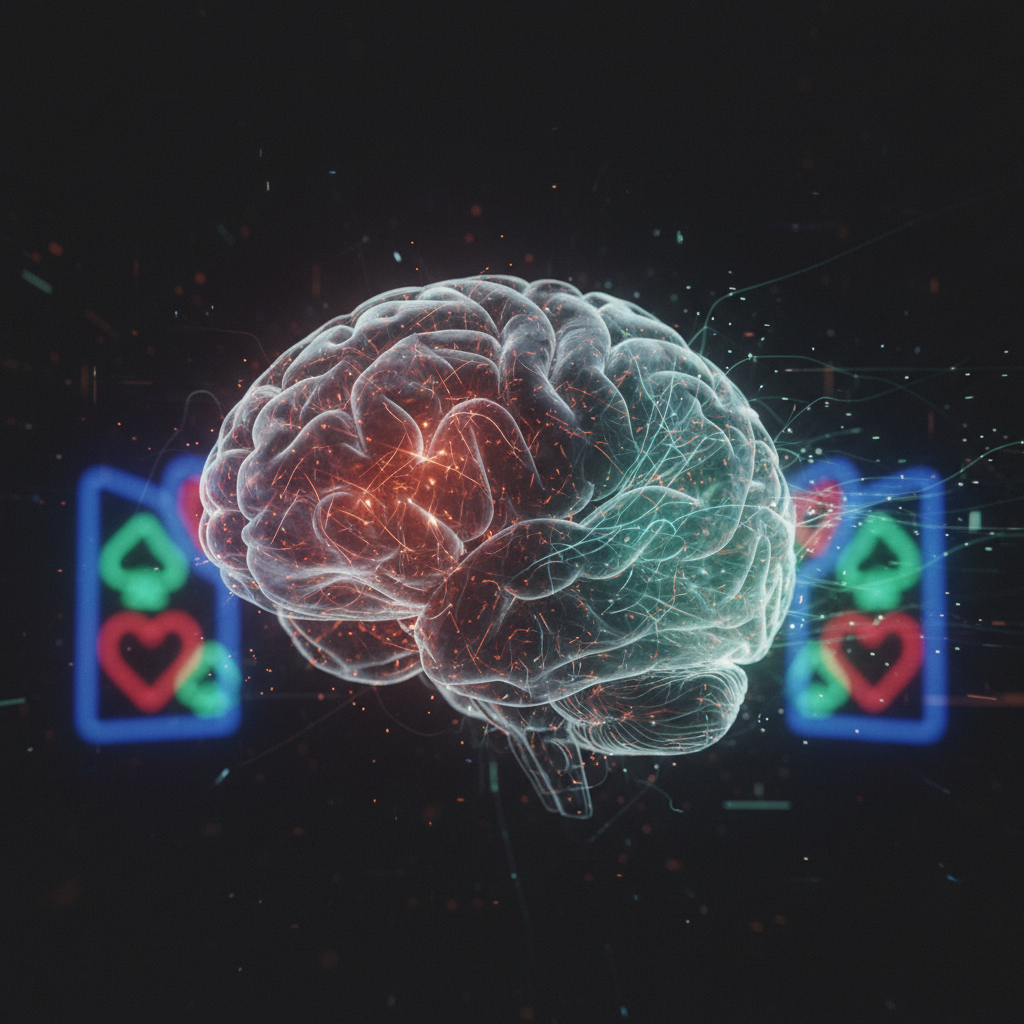
For many men, gambling starts as a thrill, a harmless pastime, or even a way to escape stress. But for some, it evolves into a relentless pursuit, a compulsion that takes over their lives. When we talk about "gambling brain damage," it's not about physical trauma in the traditional sense. Instead, it refers to the profound, measurable changes that occur in the brain's structure and function due to chronic gambling. These changes aren't just theoretical; they are backed by decades of neuroscience and help explain why breaking free from gambling addiction is so incredibly challenging.
At Redeemed, we understand the immense struggle you might be facing. It's not a lack of willpower; it's often a battle against a brain that has been rewired by addiction. Understanding these changes is the first step toward reclaiming control and pursuing lasting recovery.
The Brain's Reward System: A Double-Edged Sword
At the heart of any addiction, including gambling, lies the brain's reward system. This intricate network of neural pathways is designed to motivate us towards life-sustaining behaviors like eating, drinking, and reproduction. When we engage in these activities, our brain releases dopamine, a neurotransmitter associated with pleasure, motivation, and learning. This surge of dopamine tells our brain, "That was good! Do it again!"
Gambling, particularly with its intermittent and unpredictable rewards, can hijack this system. The anticipation of a win, even more than the win itself, triggers a powerful dopamine release. This is often referred to as the "near-miss effect" or the "chasing losses" phenomenon. Your brain isn't just responding to the outcome; it's responding to the possibility of a win, creating a potent feedback loop.
"For where your treasure is, there your heart will be also." – Matthew 6:21
This scripture, while not directly about gambling, speaks to where we place our focus and value. When the 'treasure' becomes the next bet, the brain's reward system can become fixated, drawing the heart and mind into its pursuit.
Key Brain Regions Affected by Chronic Gambling
Scientific research, utilizing advanced imaging techniques like fMRI and PET scans, has identified several critical brain areas that undergo significant alterations in individuals with gambling disorder:
1. The Prefrontal Cortex: The Brain's CEO
The prefrontal cortex (PFC), located at the very front of your brain, is often called the "executive control center." It's responsible for crucial functions like:
- Decision-making: Evaluating risks and rewards, making rational choices.
- Impulse control: Suppressing urges and delaying gratification.
- Planning: Setting goals and strategizing.
- Consequence assessment: Understanding the long-term impact of actions.
In individuals with gambling addiction, studies consistently show reduced activity and structural changes in the PFC. This impairment means that the very part of your brain responsible for saying "no" to a bad idea, for weighing the long-term consequences of a bet against the short-term thrill, is weakened. You might know gambling is harmful, but your brain's ability to act on that knowledge is compromised.
One study published in Biological Psychiatry found that problem gamblers exhibited lower gray matter volume in the ventromedial prefrontal cortex, a region crucial for decision-making and emotional regulation.
2. Dopamine Pathways: The Reward Overdrive
As mentioned, dopamine plays a central role. Chronic exposure to the intense dopamine surges from gambling can lead to a phenomenon called dopamine receptor downregulation. Imagine your brain's dopamine receptors are like light switches. If they're constantly flooded with light (dopamine), they become less sensitive, requiring more and more light to achieve the same effect. This means:
- Tolerance: You need to gamble more, or take bigger risks, to get the same "high" you once did.
- Anhedonia: Non-gambling activities that once brought joy (hobbies, family time) no longer feel as rewarding because your brain's baseline for pleasure has been artificially elevated by gambling.
This creates a vicious cycle where the individual gambles not just for pleasure, but to alleviate the discomfort and emptiness that arise when not gambling.
3. Amygdala and Insula: Emotional Processing and Urge Generation
The amygdala is involved in processing emotions, particularly fear and anxiety. The insula plays a role in subjective feelings and bodily states, often linked to craving and urges.
Research suggests that in problem gamblers, these regions can become overactive in response to gambling cues. This means that seeing a casino, hearing a slot machine sound, or even thinking about gambling can trigger intense emotional responses and powerful cravings, overriding rational thought processes. The emotional brain takes precedence over the logical brain.
The Impact of Brain Changes: A Vicious Cycle
These neurological alterations aren't isolated incidents; they interact to create a self-perpetuating cycle of addiction:
- Impaired Decision-Making: A weakened PFC leads to poor choices and increased impulsivity.
- Intensified Cravings: Dysregulated dopamine and overactive emotional centers drive powerful urges.
- Tolerance & Escalation: The need for more intense gambling to achieve the same reward.
- Negative Consequences: Financial ruin, relationship breakdown, mental health issues.
- Escape & Relapse: Gambling becomes a maladaptive coping mechanism for the stress and guilt caused by gambling itself.
This cycle can feel inescapable, leading many to believe they are beyond help. But that is simply not true. While the brain changes are significant, the brain is also remarkably adaptable and capable of healing.
Understanding the Brain Changes: A Table Summary
| Brain Region | Normal Function | Impact of Chronic Gambling | Result in Addiction |
|---|---|---|---|
| Prefrontal Cortex | Decision-making, impulse control, planning | Reduced activity, decreased gray matter volume | Poor judgment, impulsivity, difficulty controlling urges, inability to assess risks |
| Nucleus Accumbens | Reward processing, motivation | Overactivation to gambling cues, dopamine dysregulation | Intense cravings, 'chasing' the high, loss of interest in other activities |
| Amygdala & Insula | Emotional processing, urge generation, bodily awareness | Heightened reactivity to gambling-related stimuli, increased emotional distress/craving | Powerful urges, emotional hijacking, difficulty regulating feelings related to gambling |
| Hippocampus | Memory formation, learning | Altered memory for gambling-related experiences (e.g., remembering wins more vividly) | Distorted perception of odds, reinforcement of gambling behaviors |
Pathways to Healing: Reclaiming Your Brain and Your Life
The good news is that the brain is not static. It possesses remarkable neuroplasticity, meaning it can change and adapt throughout life. While chronic gambling can rewire the brain for addiction, focused recovery efforts can rewire it for health and sobriety.
This process takes time, effort, and often professional support, but it is absolutely possible. Here’s how you can start to facilitate healing:
1. Abstinence: Breaking the Cycle
The most crucial step is to stop gambling entirely. This removes the constant stimulation that is reinforcing the addictive pathways. It allows your brain's reward system to begin resetting and dopamine receptors to regain sensitivity. This initial phase is often the most challenging due to intense cravings and withdrawal-like symptoms, but it is foundational.
2. Professional Support: Therapy and Counseling
Cognitive Behavioral Therapy (CBT) and Motivational Interviewing are highly effective in treating gambling disorder. These therapies help you:
- Identify triggers: Understand what situations, emotions, or thoughts lead to gambling urges.
- Develop coping mechanisms: Learn healthy ways to manage stress, boredom, and cravings.
- Challenge distorted thinking: Address the irrational beliefs that fuel gambling (e.g., "I'm due for a big win").
- Strengthen your PFC: Therapy can help rebuild your decision-making and impulse control skills.
3. Support Groups: Community and Accountability
Joining groups like Gamblers Anonymous (GA) provides a vital community of men who understand your struggle. Sharing experiences, receiving encouragement, and having accountability partners can significantly aid recovery. The shared journey reinforces the idea that you are not alone and that recovery is achievable.
4. Faith-Based Practices: Spiritual Renewal and Strength
For men of faith, integrating spiritual practices can be a powerful component of brain healing. Prayer, meditation on scripture, and seeking guidance from your faith community can:
- Reduce stress and anxiety: Calming the overactive emotional centers.
- Foster gratitude: Helping your brain appreciate non-gambling rewards.
- Provide purpose: Shifting focus from fleeting wins to eternal values.
- Cultivate patience: A crucial virtue when rebuilding neural pathways.
"Do not be conformed to this world, but be transformed by the renewal of your mind, that by testing you may discern what is the will of God, what is good and acceptable and perfect." – Romans 12:2
This verse speaks directly to the transformation of the mind. Recovery isn't just about stopping a behavior; it's about renewing your thinking, aligning your will with God's, and allowing your mind to be transformed from the inside out.
5. Healthy Lifestyle: Fueling Brain Recovery
- Exercise: Physical activity boosts mood, reduces stress, and promotes neurogenesis (the growth of new brain cells).
- Nutrition: A balanced diet provides the essential nutrients your brain needs to repair and function optimally.
- Sleep: Adequate sleep is critical for brain repair, memory consolidation, and emotional regulation.
Redeemed: Your Partner in Transformation
Understanding the neuroscience behind gambling addiction can feel overwhelming, but it's also empowering. It helps you realize that this isn't a moral failing; it's a complex brain disorder that requires a comprehensive approach to recovery. At Redeemed, we integrate evidence-based strategies with faith-based principles, offering a holistic path for men seeking freedom from gambling's grip.
Your brain can heal. Your life can be restored. You are not defined by your past struggles, but by your commitment to a future of purpose and peace.
If you or someone you know is struggling with gambling, please reach out for help. There is hope, and there is a path to recovery.
National Problem Gambling Helpline: 1-800-522-4700
Remember, you don't have to walk this path alone. The Redeemed app offers tools, community, and faith-based guidance to support you every step of the way. Take the first step towards renewing your mind and reclaiming your life today.